Artisan Travels: Appreciating the Architecture of Antigua, Guatemala
Like the ancient cities of Europe, Antigua has been protected by its UNESCO World Heritage status, preserving not just its buildings but the handmade language written into every surface. And for us, that language feels deeply familiar.
A City Built By Hand
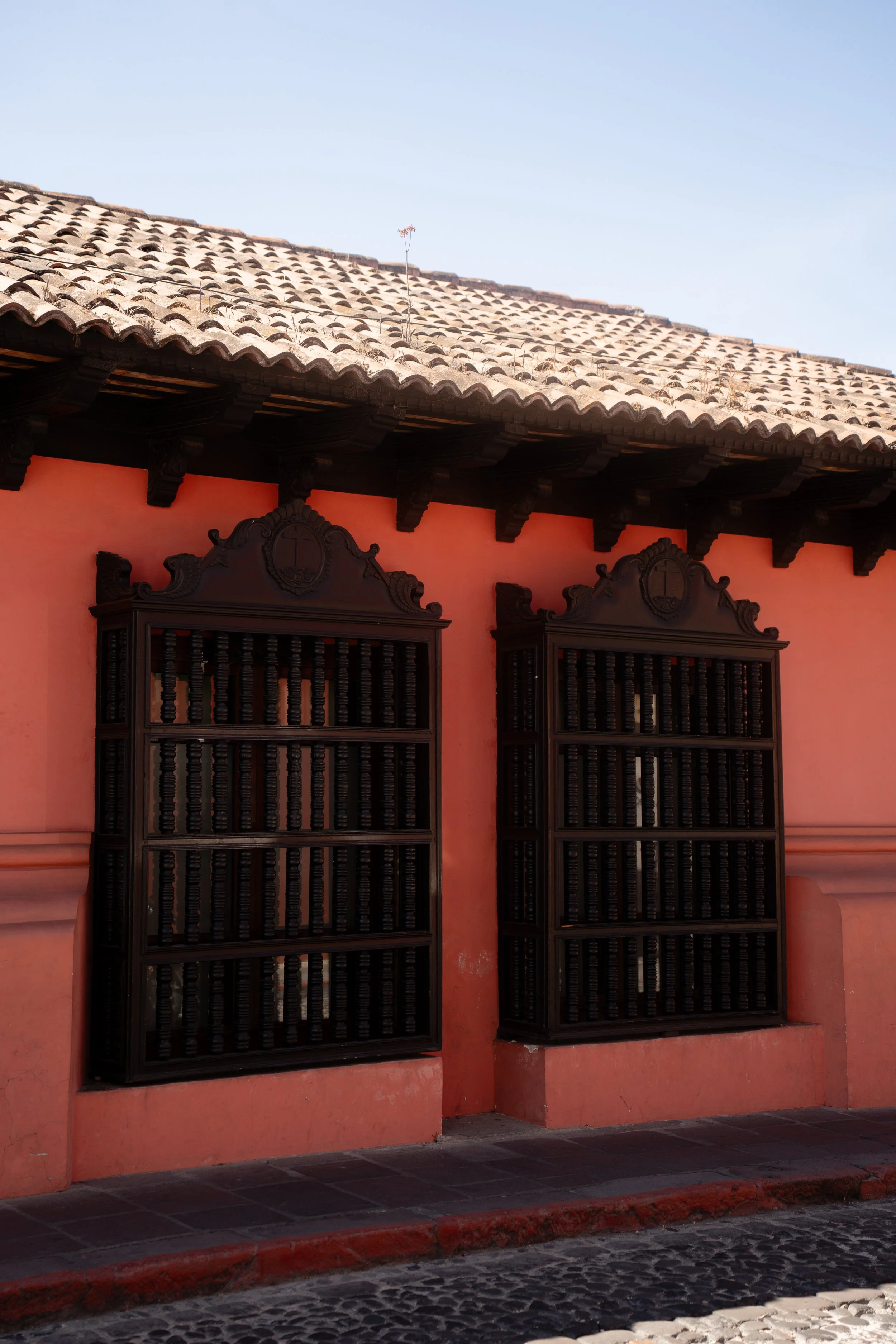
Walk through Antigua and you are walking through centuries of human effort. The cobblestones beneath your feet are still laid and hammered in by hand today, a fact that becomes quietly astonishing when you happen upon a street crew at work. The moment your car crosses into the city from the airport, the road announces itself. That familiar bump and rattle is Antigua's greeting, and after enough visits, it begins to feel like coming home.
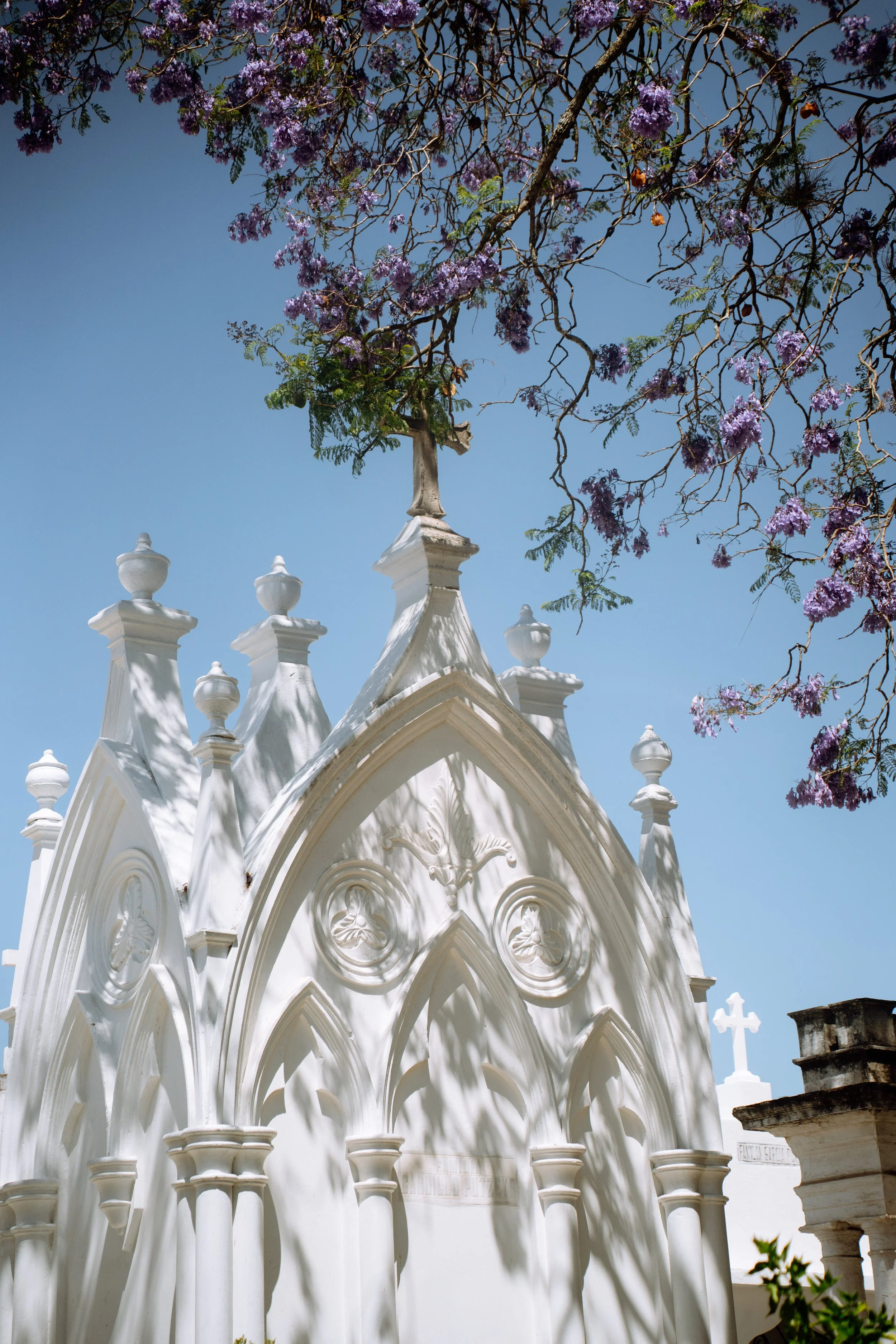
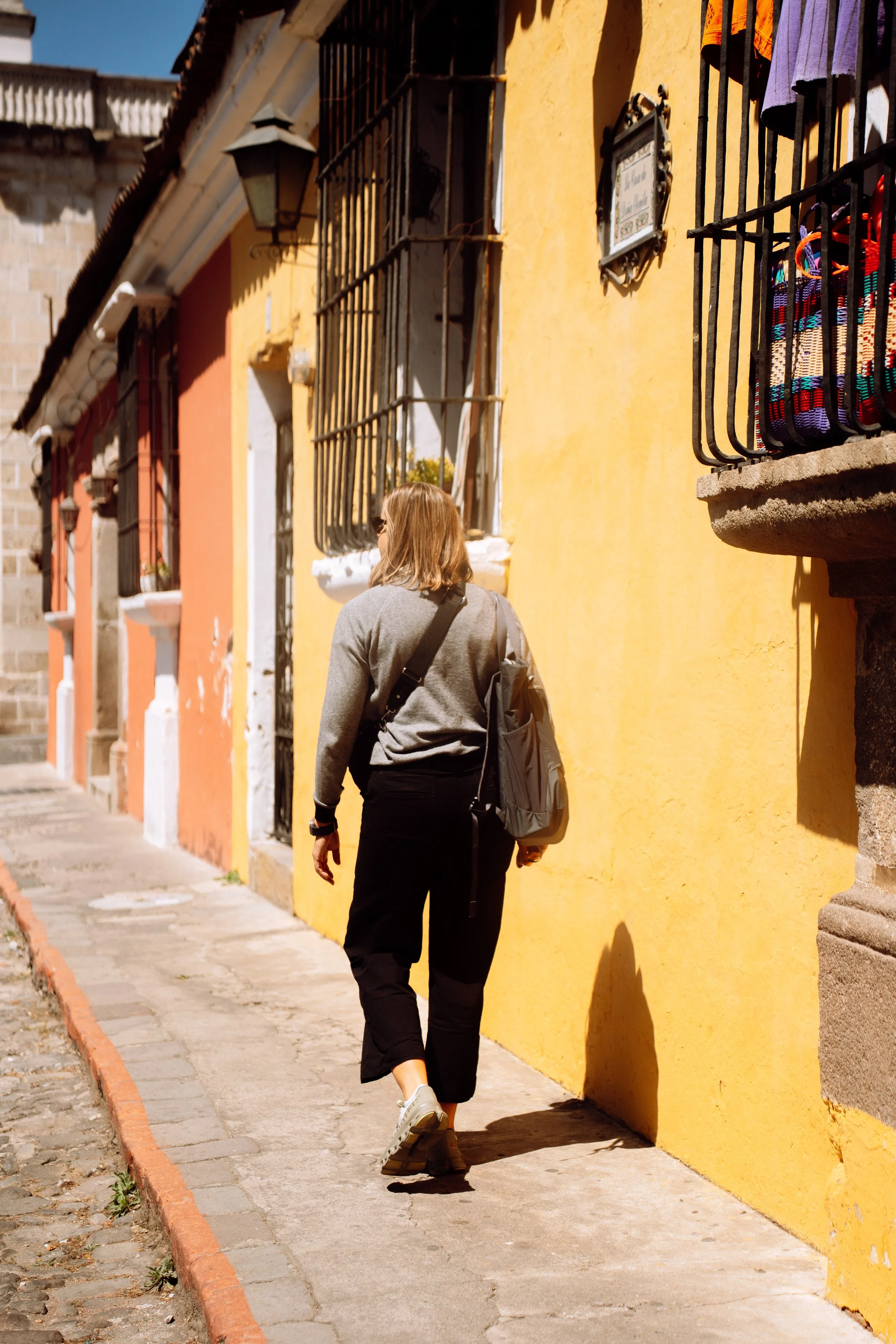
The walls that line every street are washed in rich, saturated color; terracotta reds, deep blues, dusty pinks, many of which inspired our selections for our Custom Color Program. Above the colorful walls are handmade terracotta roof tiles crowning every structure, their earthy tones warming the skyline. In the rainy season, moss creeps across them in soft green patches. In the dry season, a cactus will sometimes appear, reaching toward the sun.
Beneath those tiles, hand carved wooden beams carry the weight of the structure, often punctuated by hand painted ceramic tiles fitted between each beam. These are not finishing touches, they are the work itself, made with the same care and attention that defines everything built here.

The Details That Reward the Curious
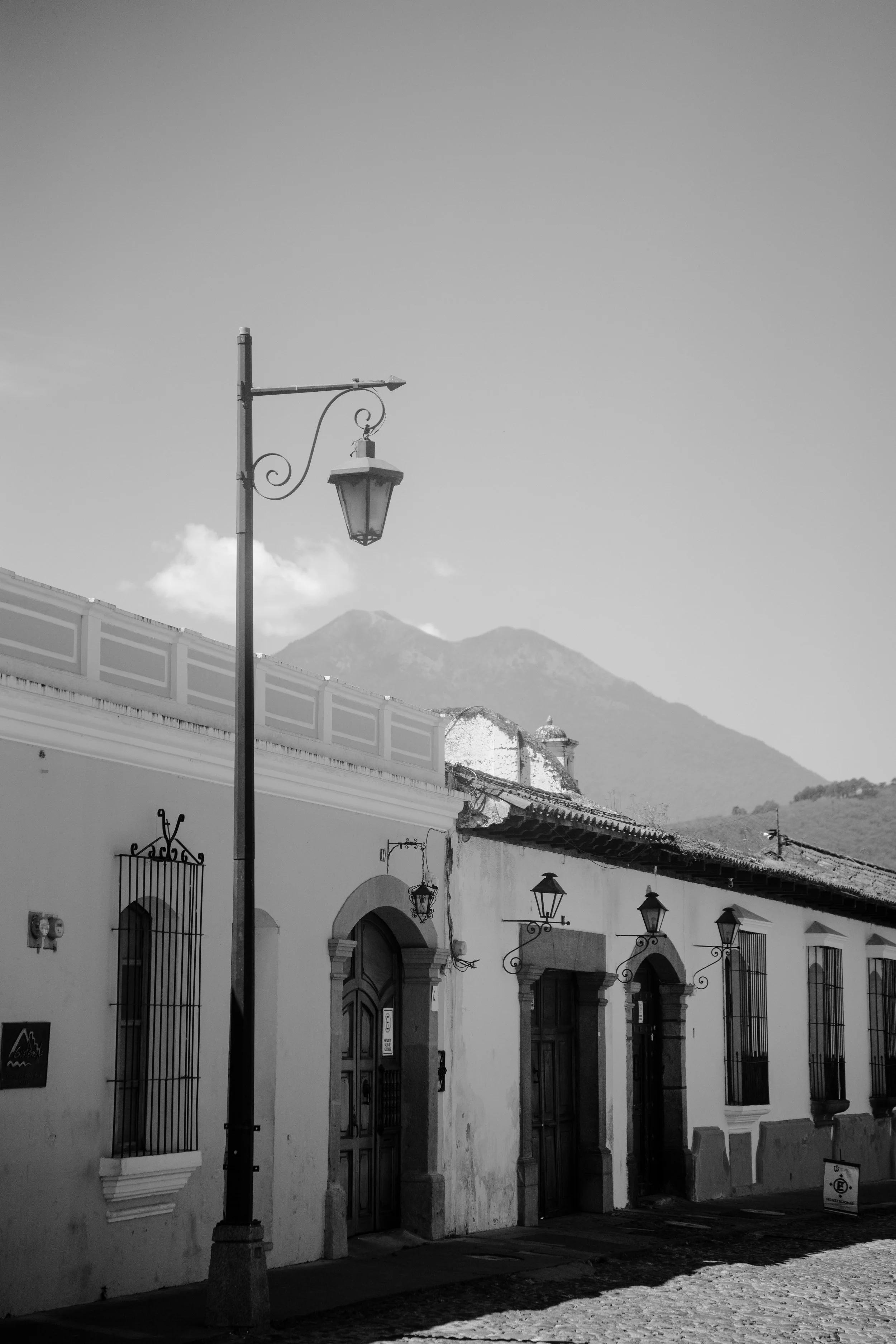
Iron window bars run across nearly every facade in Antigua, and once you start looking at them closely, you cannot stop. Most are traditional, graceful swirls and twists forged by hand. But occasionally you find one from the 1950s with bold geometric forms that feel very modern.
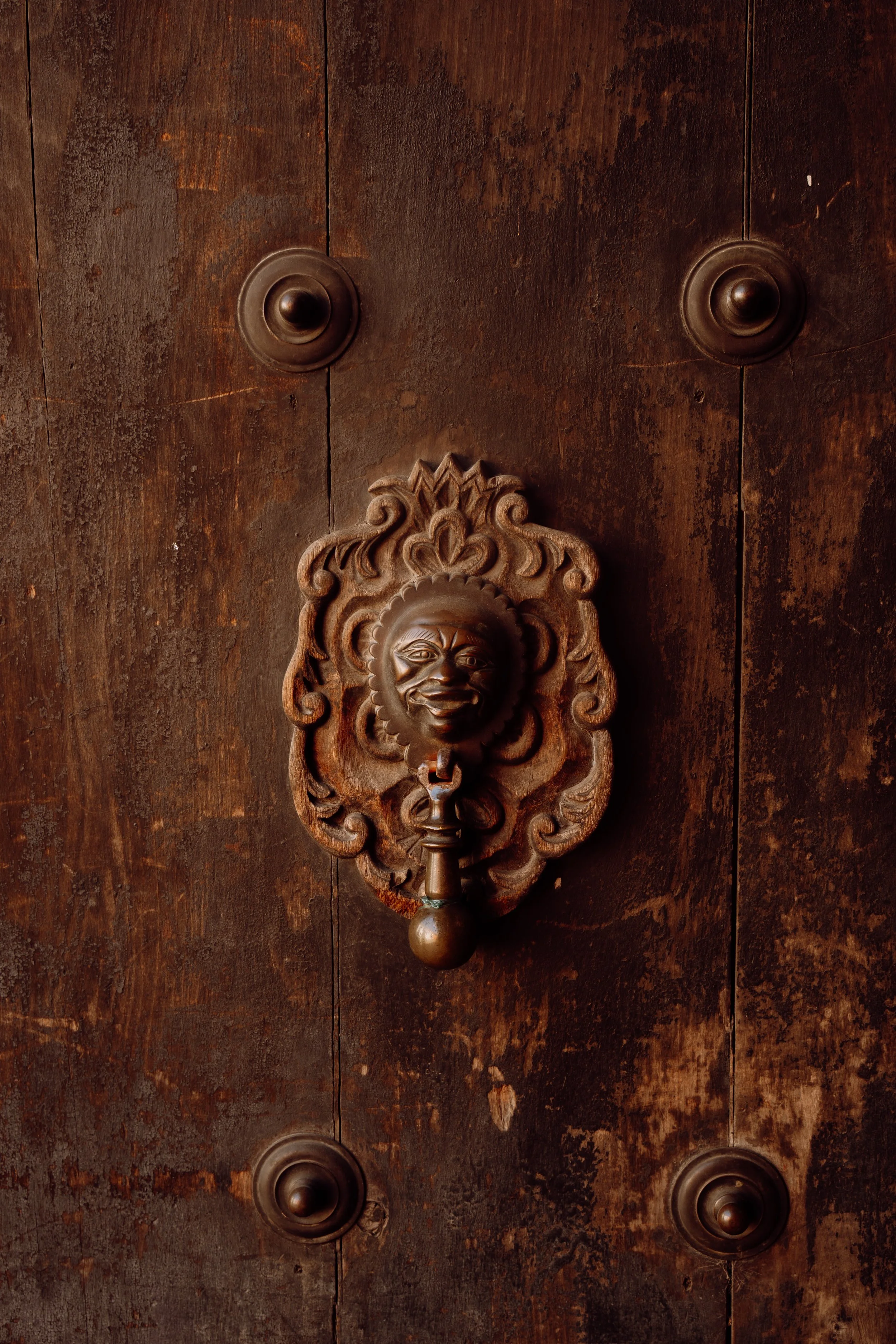
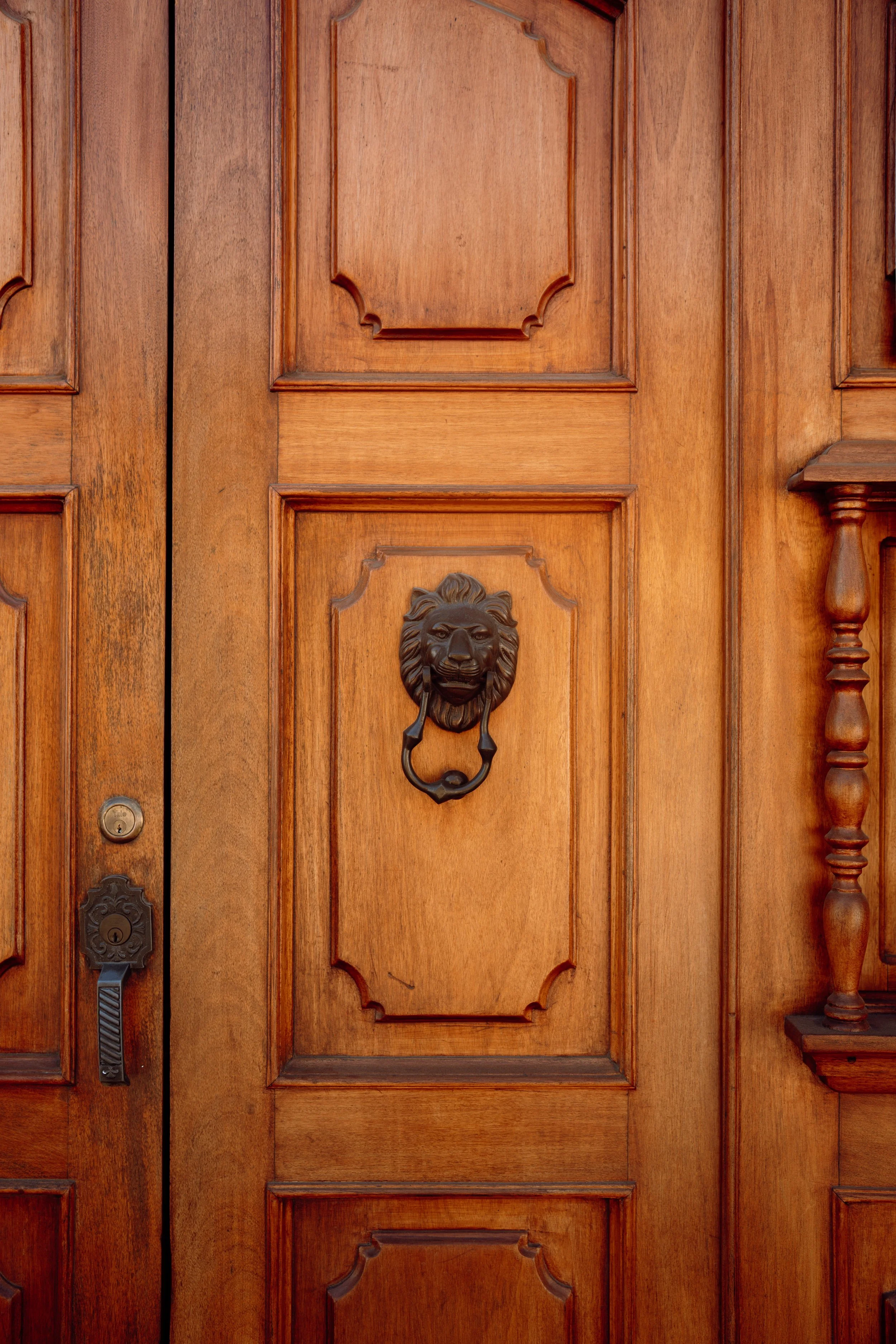
The doors are their own reward. Each one is distinguished by its knocker, chosen by the owner as a kind of personal signature. We have encountered human faces, lion heads, a brass fist, a running horse, and other shapes. Finding a new one on a familiar street feels like a small, private discovery every time.
And at nearly every street corner, large stone guards remain embedded in the building facades, placed centuries ago to protect the walls from passing horse drawn carriages. They are still there, still doing their quiet work, long after the carriages are gone.


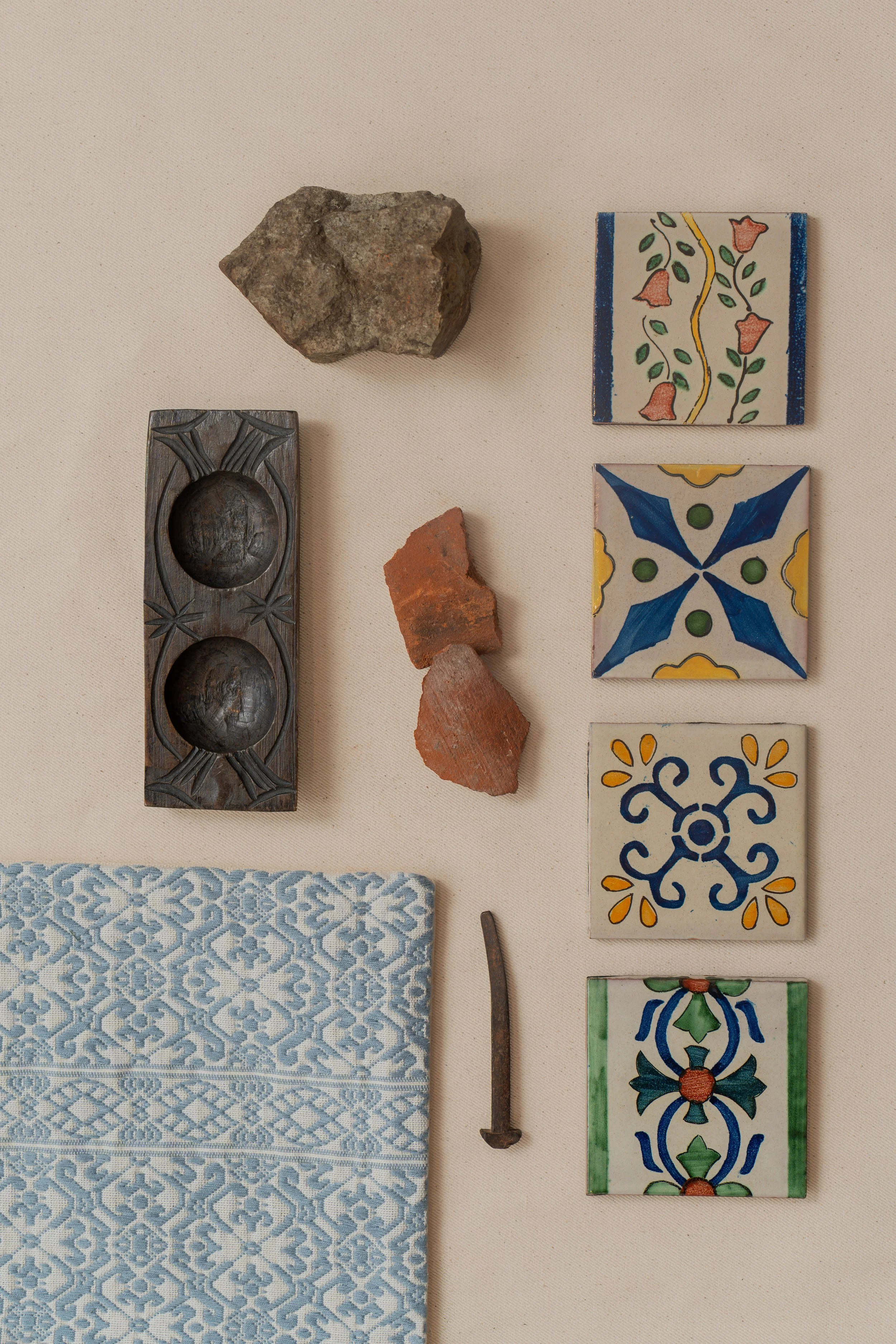
This month we were drawn to our Falsería Throw Pillow, whose ornate woven pattern mirrors the hand painted floor tiles found throughout Antigua's most beautiful interiors. Alongside it, our mood board includes a fragment of terracotta roof tile, a single cobblestone, a hand painted ceramic tile, a piece of hand carved wood from a local antique store, and an iron nail, each one a small portrait of the city's handmade soul.
What Antigua Teaches Us
Every handmade detail in this city was put there by someone who cared about the outcome. The tile setter, the ironworker, the carpenter, the mason, each one making decisions that would outlast them by centuries. That is not craftsmanship as a marketing concept. It is craftsmanship as a way of life.

It is also, we think, the clearest explanation of what we are trying to do. When we work with Guatemalan artisans to create our textiles, we are participating in the same tradition, the belief that what is made with skill and intention deserves to last. Antigua reminds us of this every time we visit, in every cobblestone and carved beam and painted tile. The city is our greatest teacher.