

The Rhythm of the Land: Agriculture, Artistry, and the Guatemalan Way of Life

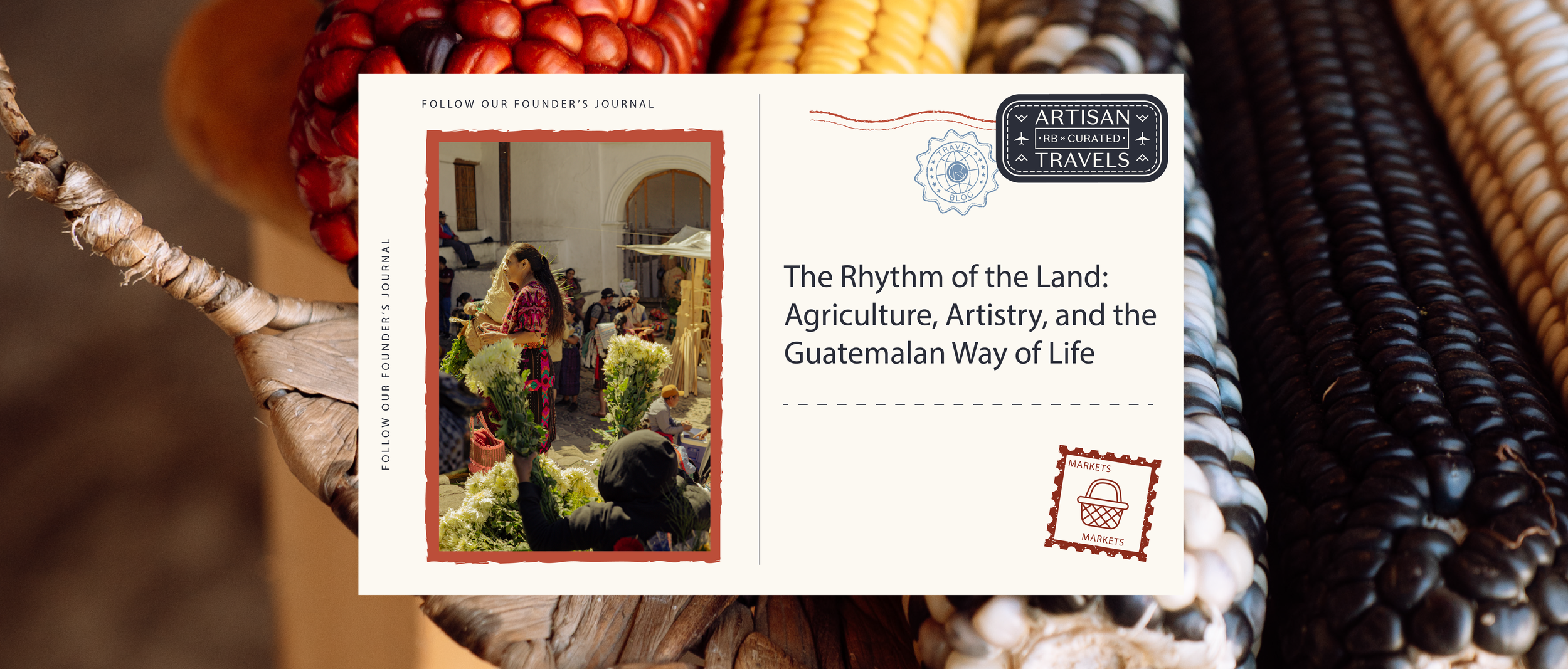

There is a rhythm to life in Guatemala that moves with the seasons, with the rains, with the harvest. Once you spend enough time here, you realize that rhythm is not incidental, it is the foundation everything else is built upon.
Many of the artisans we partner with are also farmers. Every year, weaving takes a natural pause during harvest season. We respect that deeply. The same hands that move thread across a loom also separate beans, harvest corn, and tend the land their families have cultivated for generations. Their craft and their agriculture are not two separate lives. They are one.
The Market as a Living Classroom
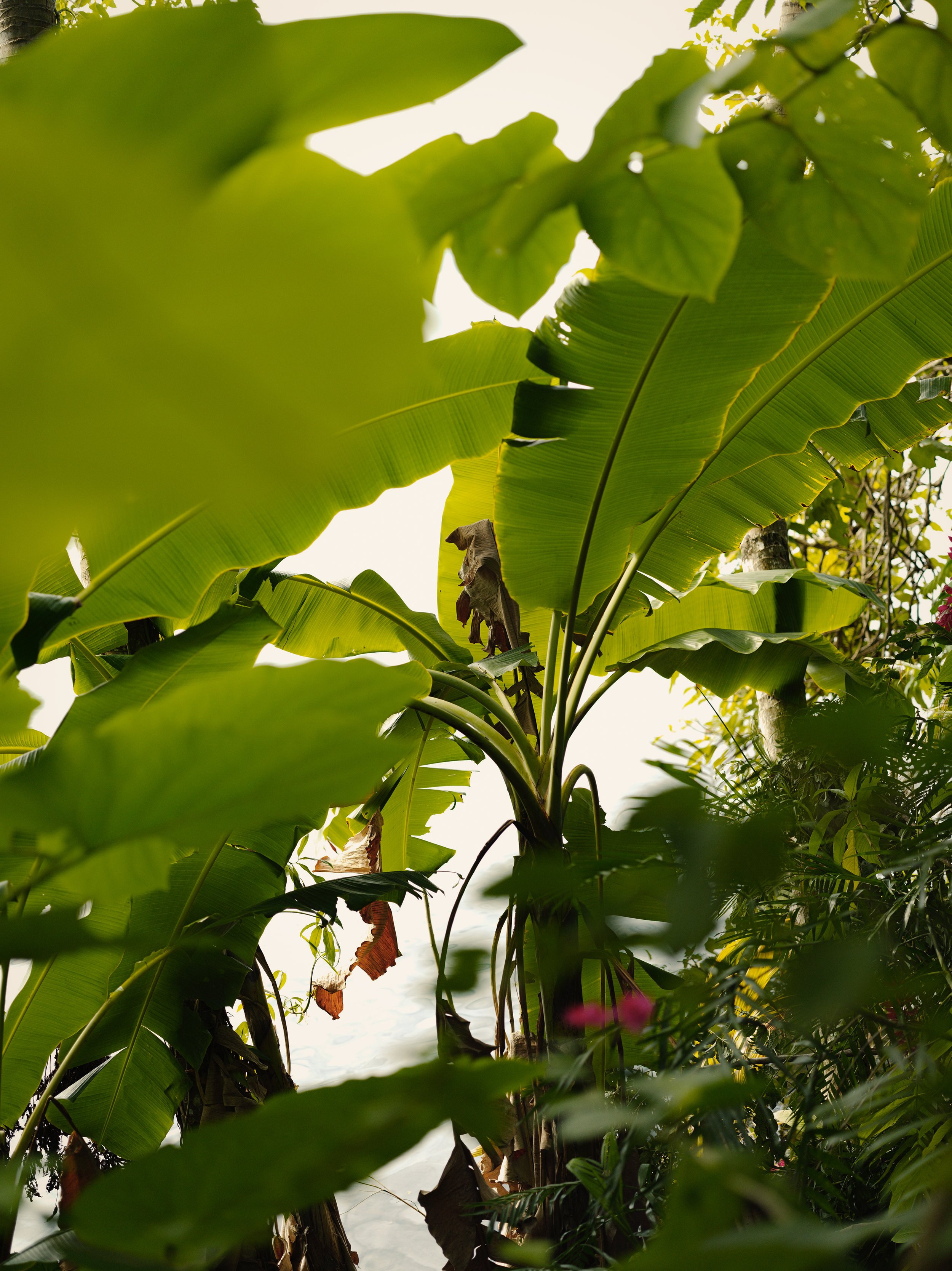
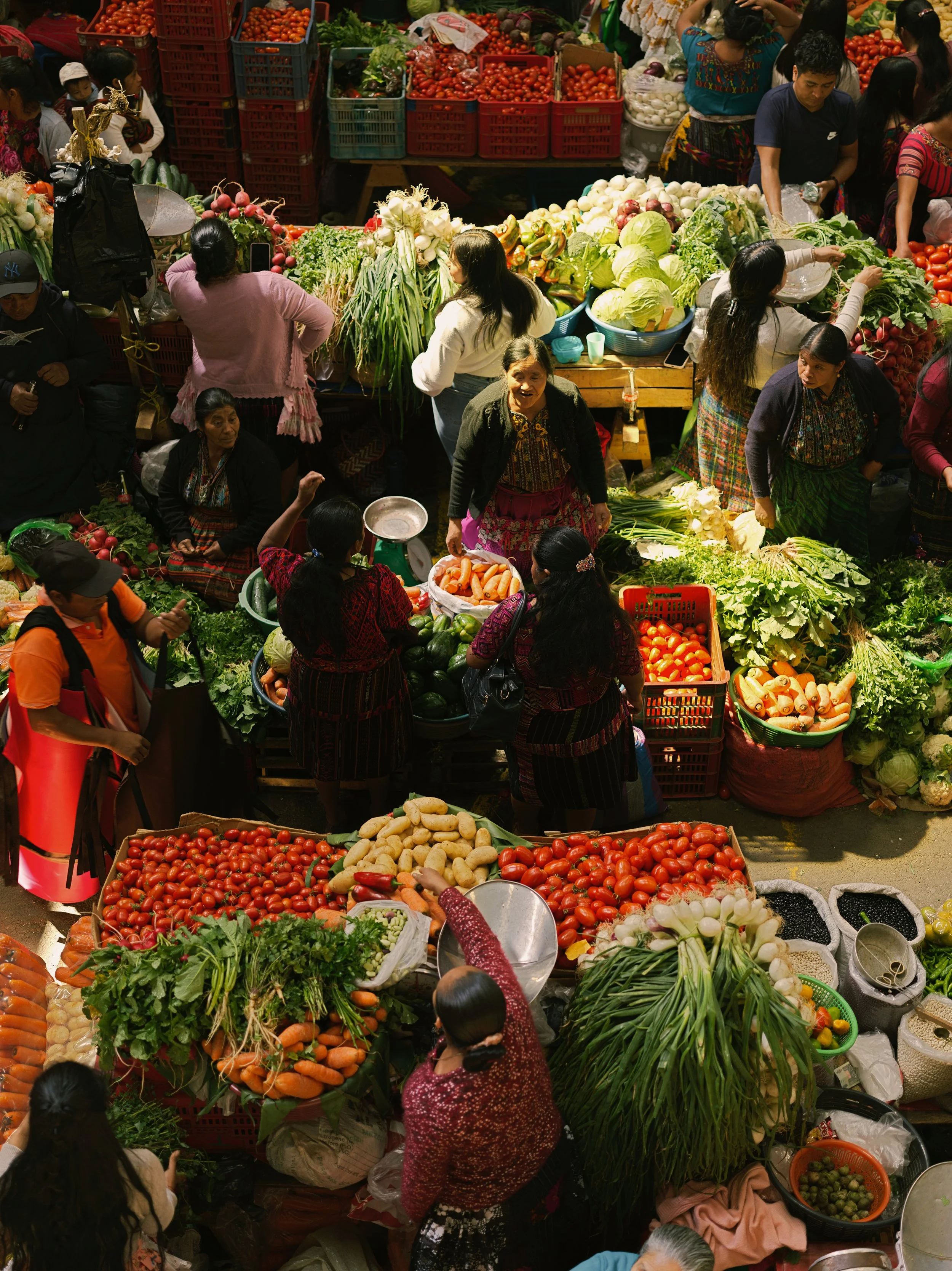
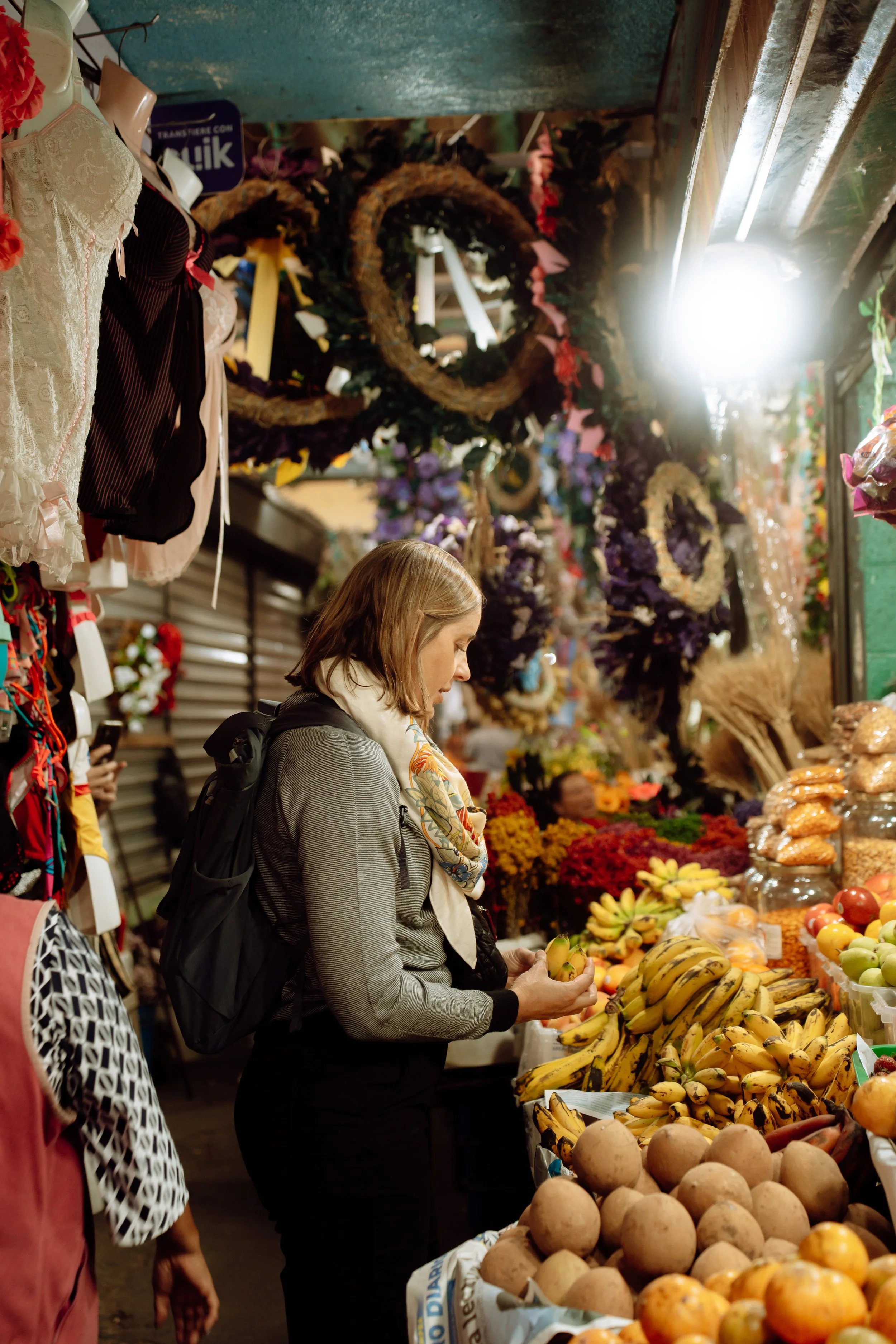
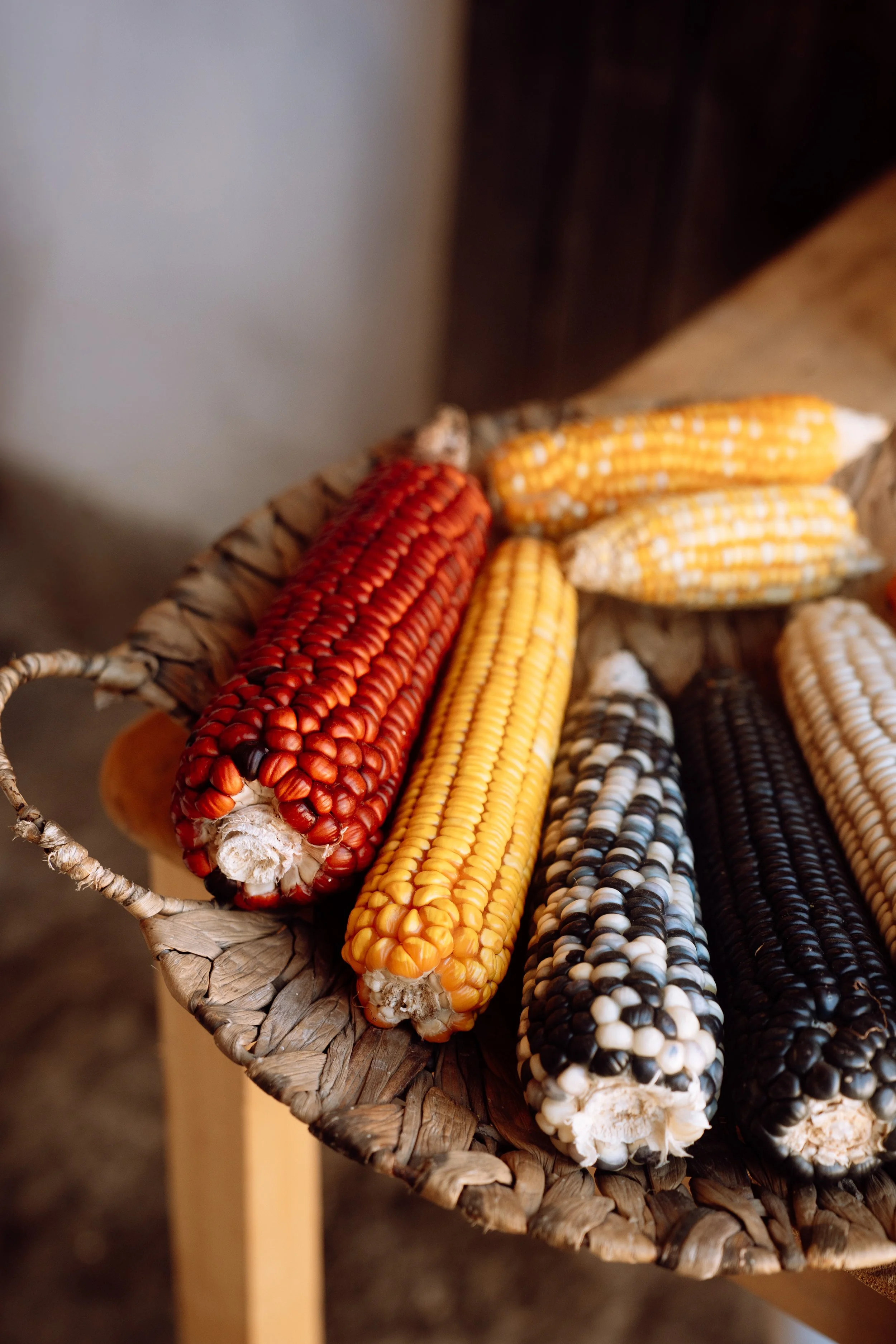
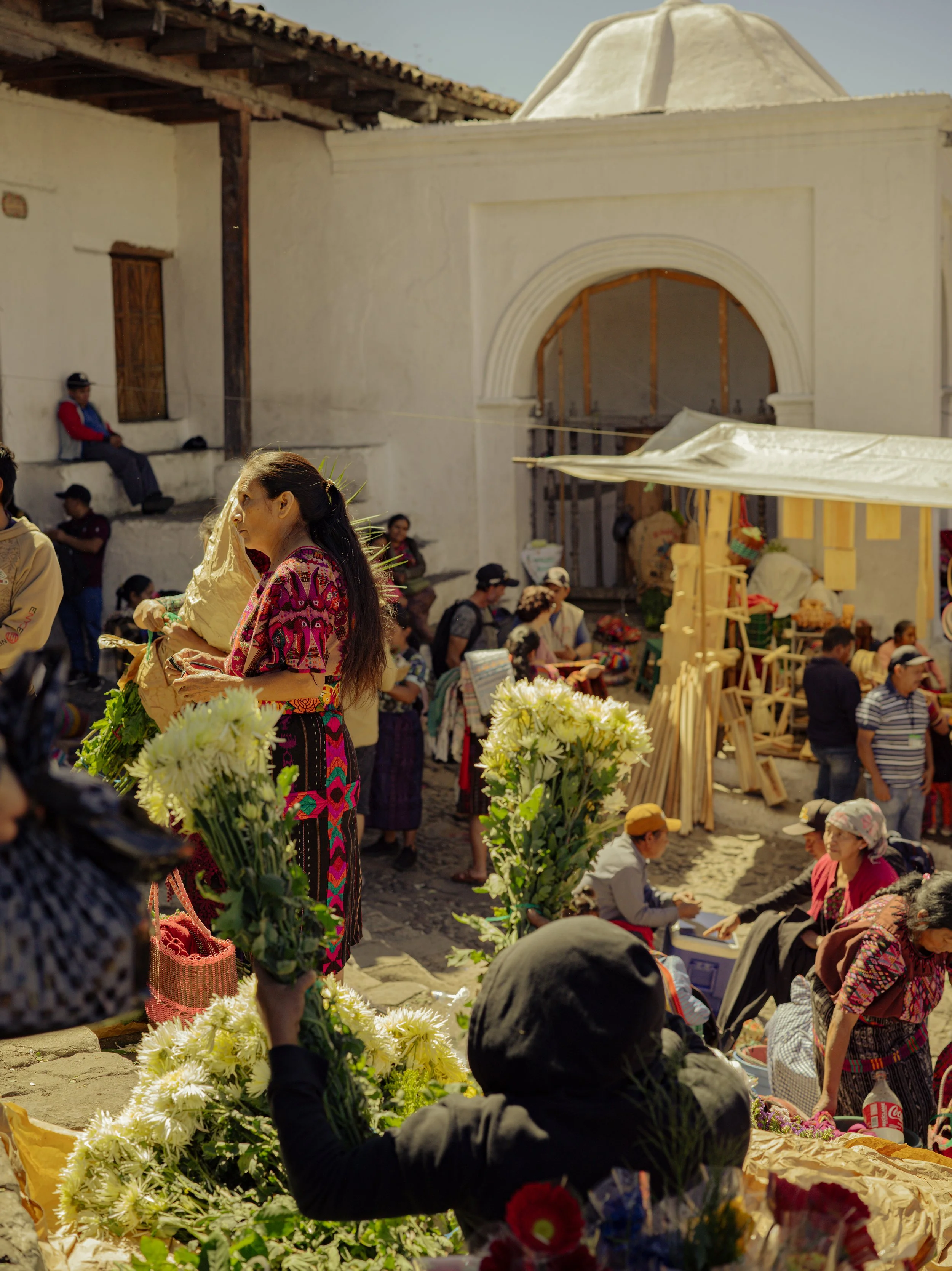
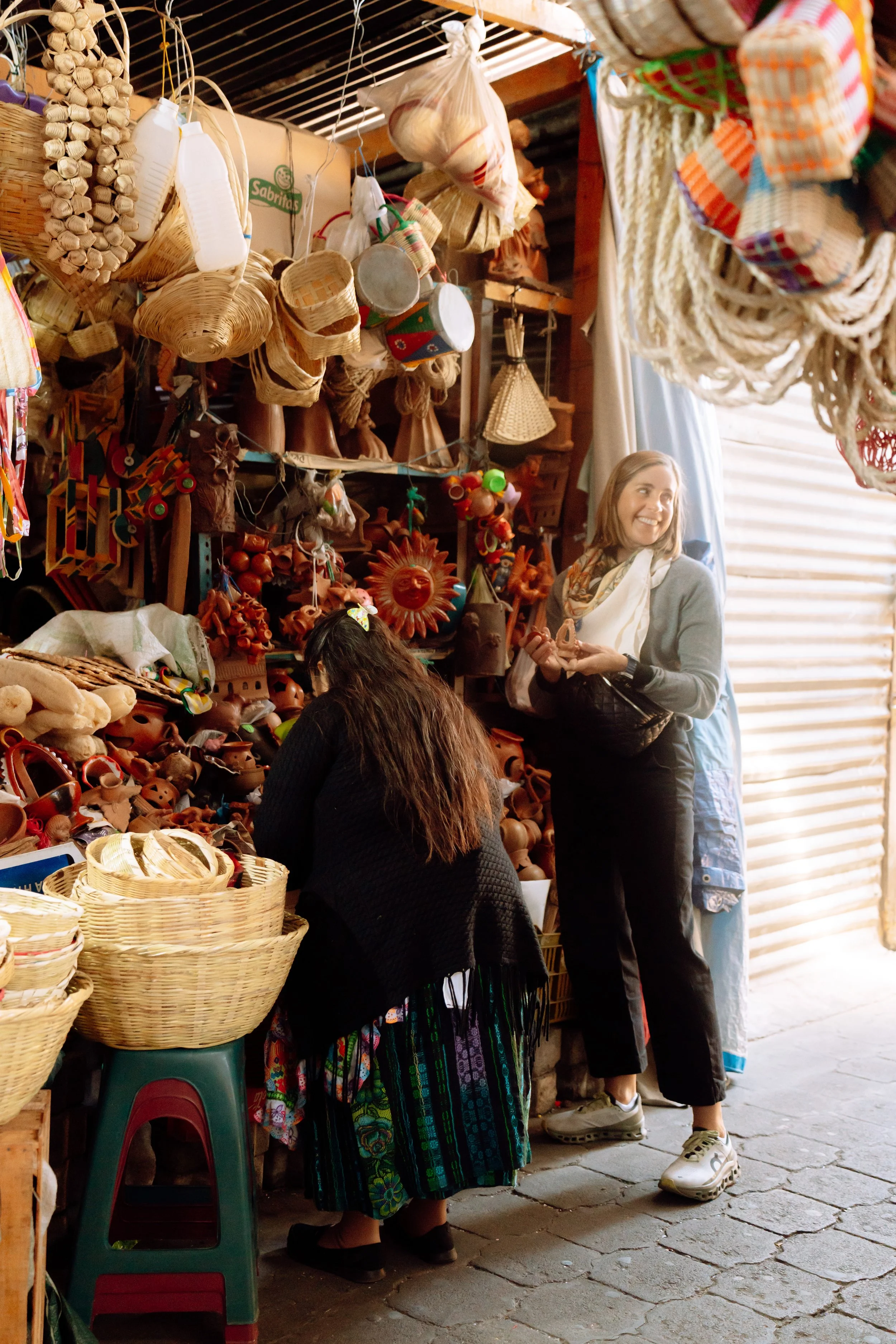
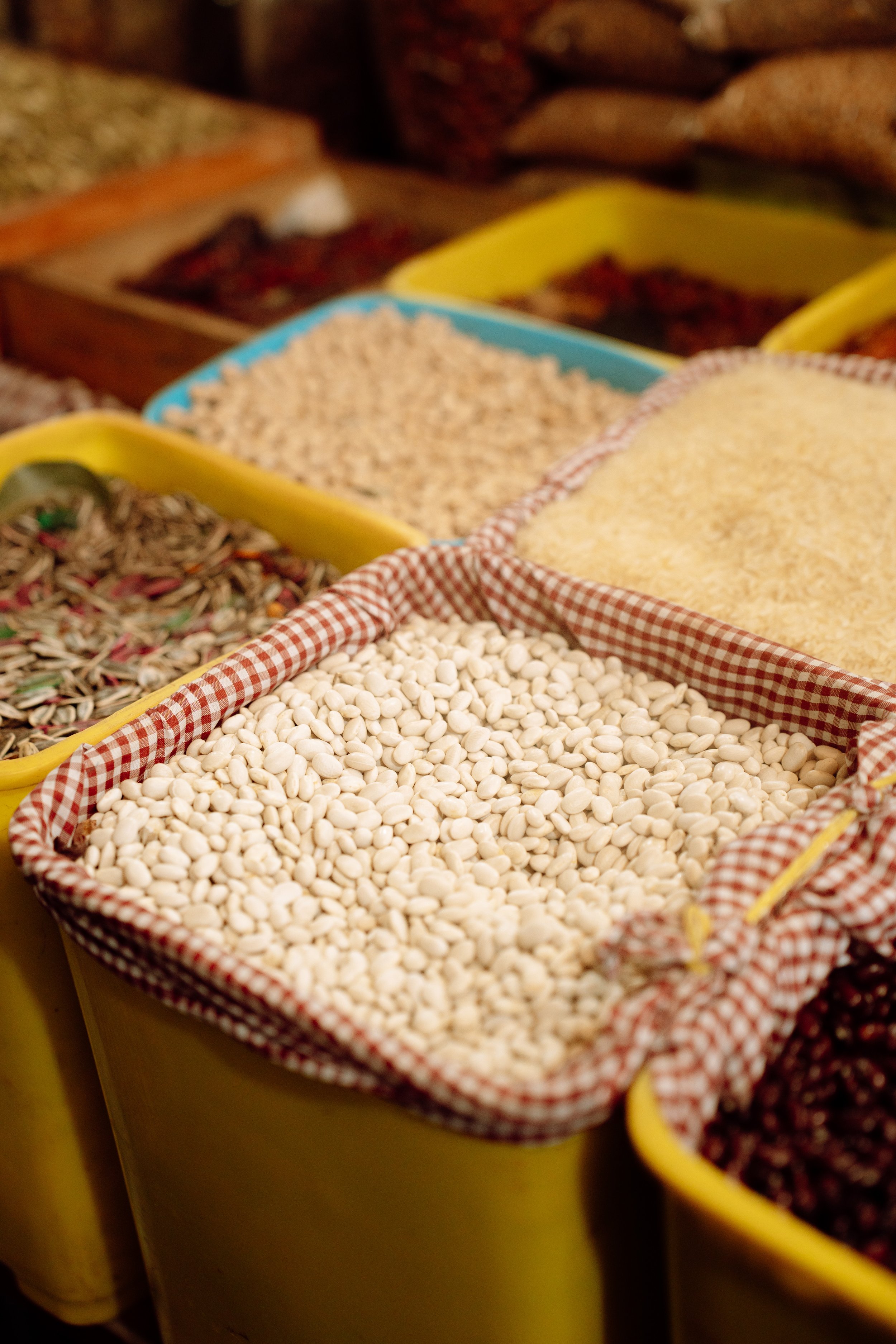
One of our favorite ways to experience Guatemala is through its markets. Wandering through the stalls with Regan, you encounter the country in full color, tropical fruit, dried beans in every shade, and ears of corn in purples, reds, yellows, and blues that feel almost too beautiful to be food. Many of these colors have inspired our custom color program.
The market also shows you how communal Guatemalan life is. Farmers sell to neighbors, neighbors sell to others, and the exchange is about sustaining a community as much as commerce. Weaving works the same way. Children grow up watching their mothers and grandmothers at the loom, just as they watch them sorting beans or husking corn. Knowledge passes through proximity and presence, absorbed quietly over years.
Learning from the Land

On a recent visit, Regan attended a medicinal plant class hosted by an indigenous cooperative, an experience that stayed with her. Guatemala's indigenous communities carry deep knowledge of the land: plants used for healing, ceremony, cooking, and natural dye, each grown and prepared with great care and intention.
It was a reminder that the connection between Guatemalan people and the natural world is not abstract. It is a daily practice, and it shows up directly in the textile tradition. So many traditional Mayan weaving motifs are drawn from nature; birds, maize, ceiba trees, and the geometric forms of cultivated fields. The loom and the land have always been in conversation.
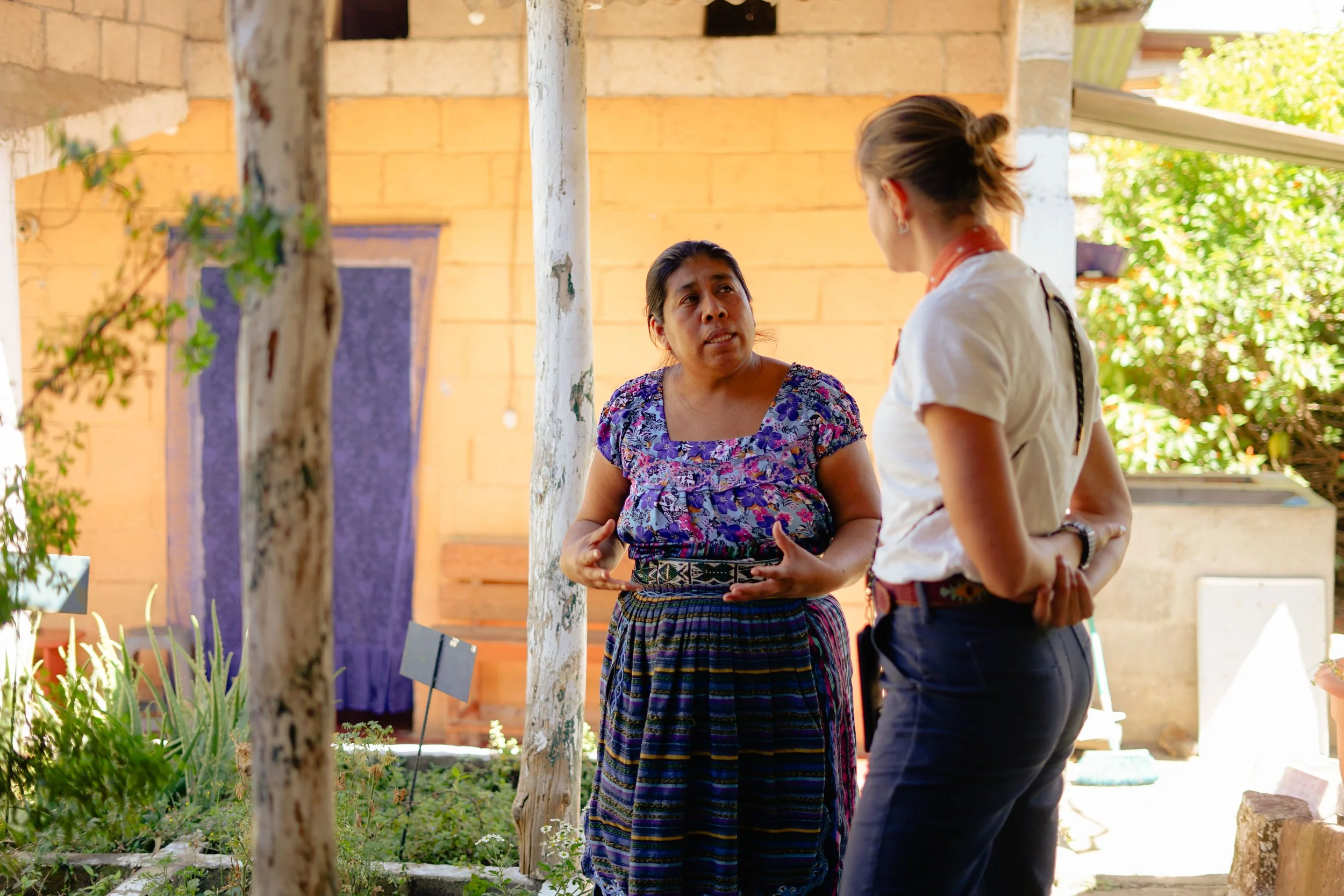
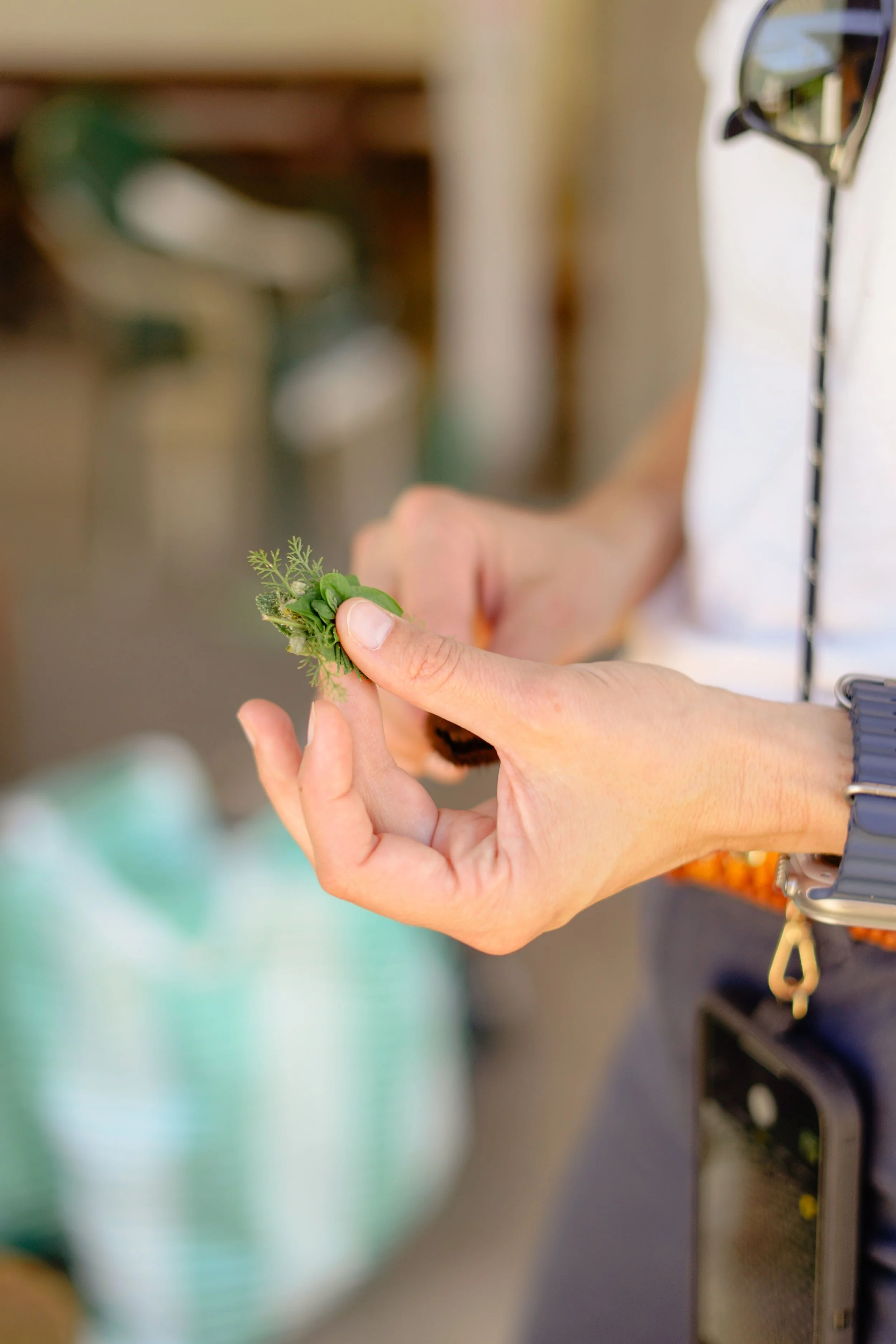
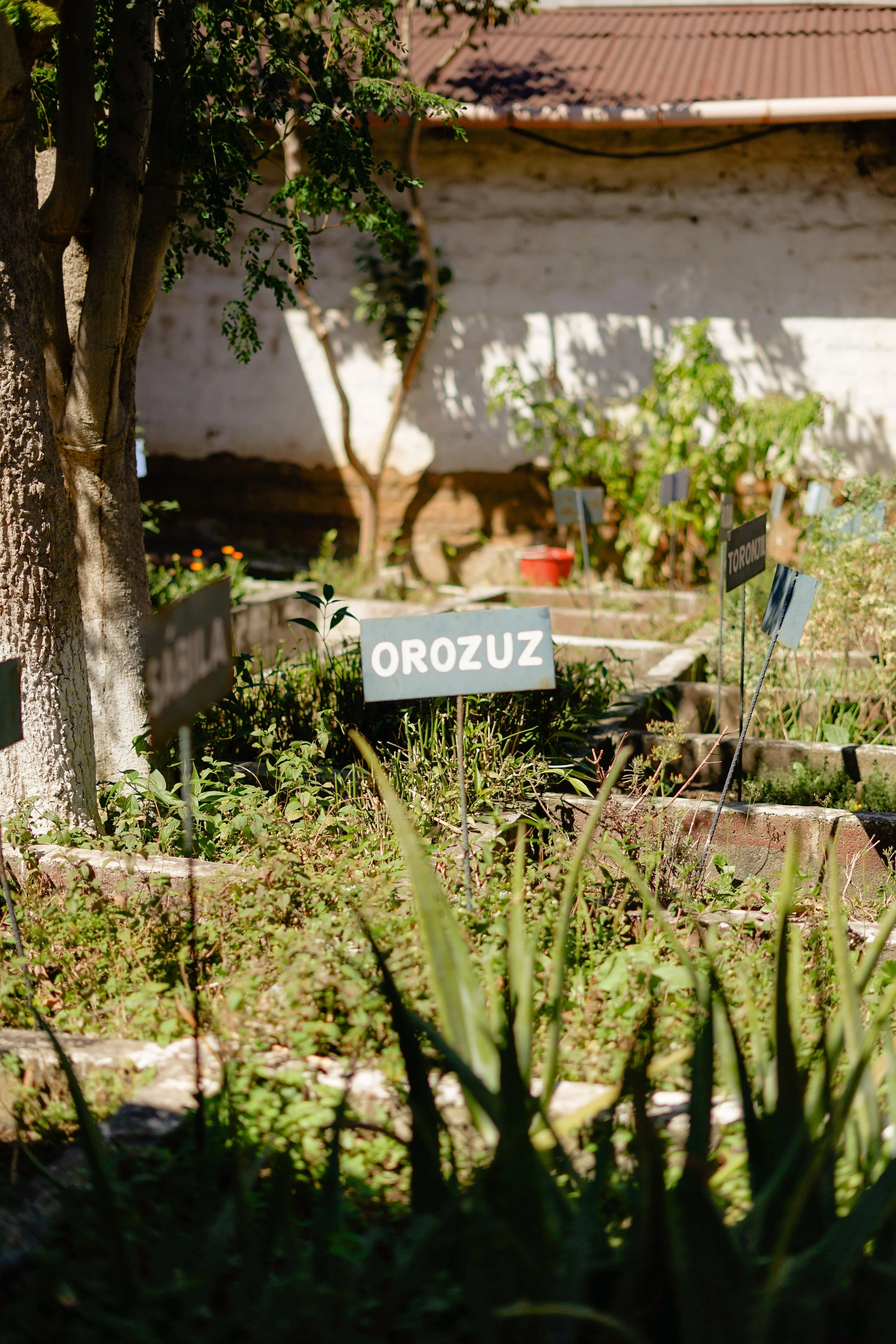


This month’s Mood Board features The Senderos Throw Pillow which takes its name from the fences (“senderos”) that mark the boundaries of cultivated plots across the Guatemalan countryside. To us it is a small tribute to the farmers and the land that sustain the communities we work with. Alongside our Senderos Throw Pillow, this month's mood board gathers a banana leaf, a bundle of bananas, grains of corn, dried beans, and coffee arranged in a pattern that echoes the pillow's geometric structure.
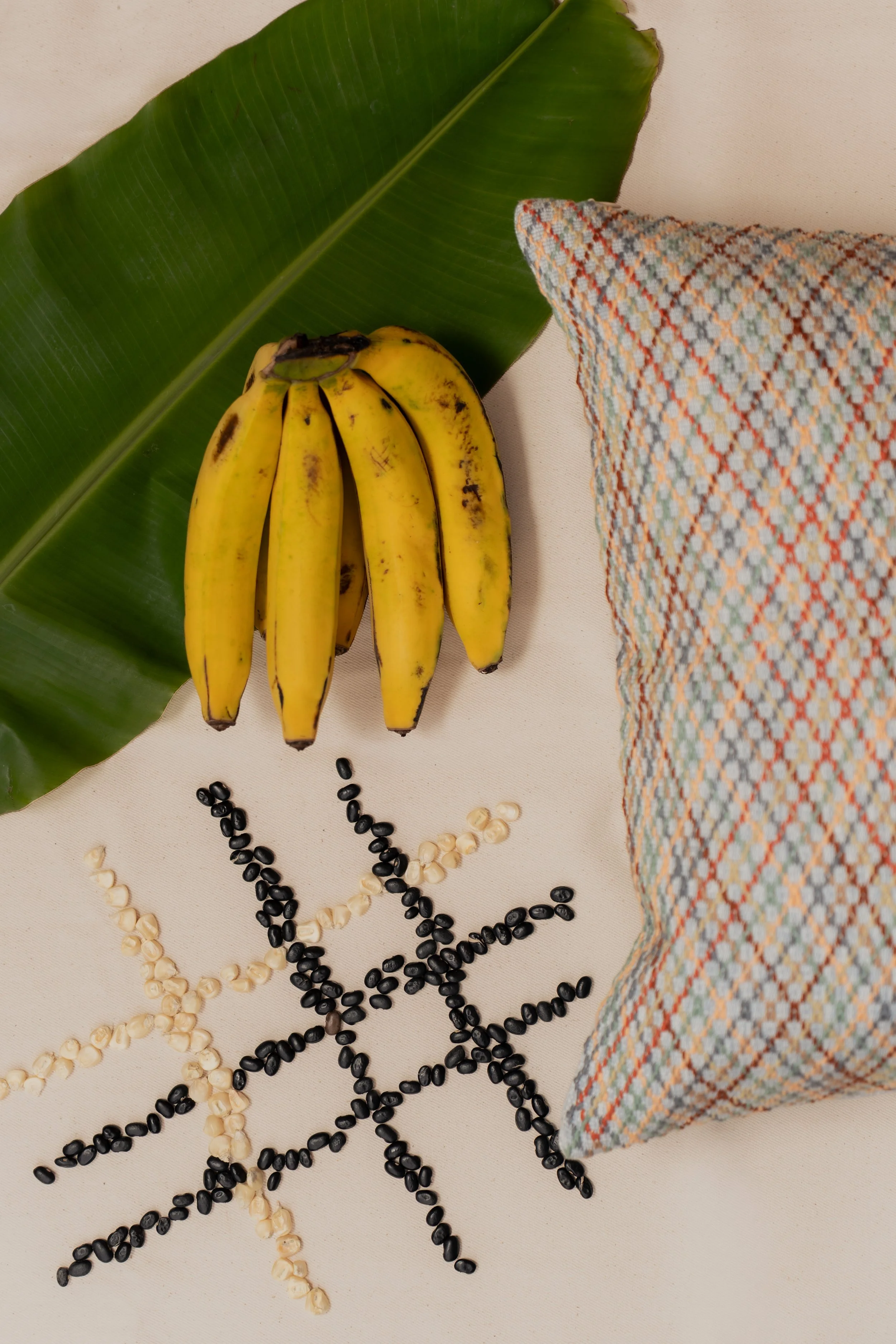

Senderos—Spanish for "fences"—refers to the handmade barriers that outline family plots along the hillsides of rural Guatemala. These fences are more than boundaries; they represent a deep connection to the land and the agricultural traditions that shape daily life. Many of the weavers we collaborate with not only create textiles, but also farm their land seasonally—a rhythm of life rooted in both craft and cultivation.
This pillow was handwoven on a backstrap loom in Santa Catarina Palopó, a lakeside village known for a weaving technique unlike any other found along Lake Atitlán. The crisscross design is formed using supplemental weft threads laid only on the front of the textile, leaving the back smooth and free of visual interruption. Because every detail remains visible, the weaving requires great precision and care—each thread a testament to the artisan’s skill and the value placed on intentional, beautiful work.
PRODUCTION TIME: 21 Hours
